How Massachusetts Breweries Are Making Sustainability Work
From solar panels to reused can carriers, Massachusetts breweries are proving that sustainability isn’t just possible—it’s practical. Whether you're running a large-scale production facility or a cozy taproom, there’s a path forward to reduce waste, save money, and support your community.
Here’s how six breweries across the Commonwealth are leading the way—and how their efforts can inspire small (or big) changes at your own brewery.
True North Ale Company – Ipswich, MA
“The thing that is critically important here in Ipswich is water,” says Gary Rogers, Co-Founder of True North Ale Company. He’s talking about the benefits of their centrifuge, when Jake Rogers, Co-Founder and Chief of Brewery Operations, picks up the thread. “We are getting more finished product out, and sending less of a beer mix down the drain.”
Not only is water conservation good for the environment, the centrifuge lightens the load on the town’s water treatment facility, and it helps produce more, high quality beer. 100% of the lights in the True North Ales facility are LEDs, and they have an outdoor air exchange, which keeps finished beer cold for free during the winter.


Not all sustainability efforts are as sexy as outdoor air exchanges. And that’s fine—don’t let the technology (or lack thereof) get you down. The breweries in this roundup implement as many small, free actions, like PakTek re-use, that help the planet and save them money.
The important thing is to start somewhere.
Untold Brewing – Scituate, MA
At Untold Brewing, sustainability means data, action, and community. They’ve reduced water use from 5.4 gallons per gallon of beer in 2018 to just 3.6 — well below the industry average of 7.
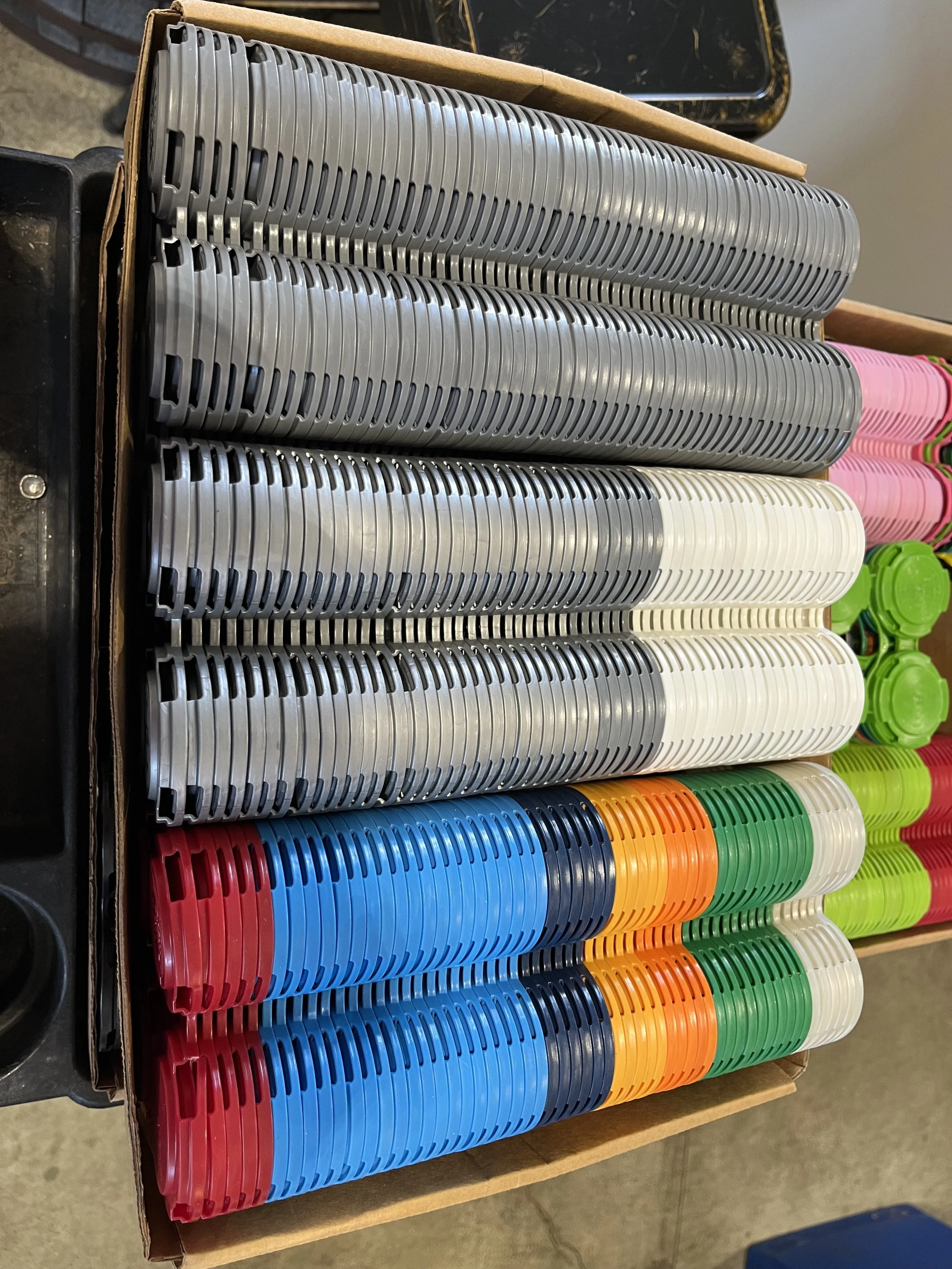
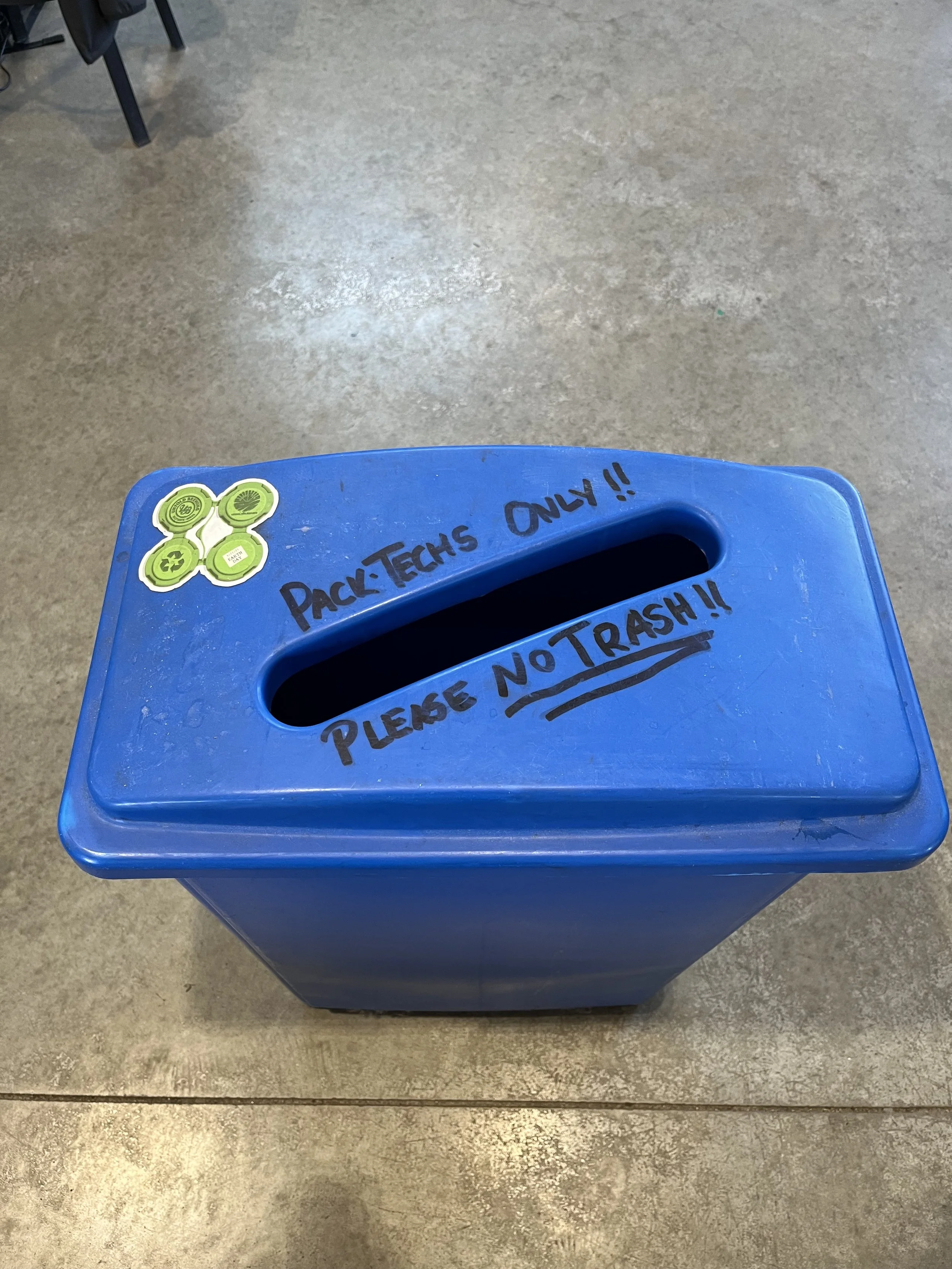
When CO₂ shortages hit in 2020, Untold pivoted to clean tanks under pressure more often, reducing CO₂ use by 40%. And their PakTech reuse program? Customers have returned close to 70,000 of the plastic case carriers.
“We’ve probably saved around $8,000-$12,000 on them,” says Head Brewer Pete Weafer, “and they’re not easily recyclable, so it’s a win for the planet.”
Untold also utilizes REUSA-WRAPS instead of disposable stretch film in order to save money and reduce waste.

Riverwalk Brewing Company – Newburyport, MA
Riverwalk Brewing built their facility with sustainability in mind — powered most of the year by rooftop solar panels and Newburyport’s only wind turbine.
A bulk grain silo drastically cuts back on deliveries and emissions, and all spent grain –n (Spent grain is what’s left over after making beer. It’s mostly - the crushed barley and other grains that were soaked in hot water during the brewing process - is delivered to a local farm less than five miles away to feed livestock and cattle.

The grain silo at Riverwalk Brewing Co in Newburyport, Massachusetts
“The shortest and easiest thing to do with it is get right back into the food chain, right?” says owner Steve Sanderson of the farm that comes to pick up the spent grain.
They’ve also prioritized smarter sourcing: their main hop supplier is a Salmon-Safe Certified B Corp working toward carbon neutrality. Salmon-Safe hops are grown using farming practices that protect rivers and streams where salmon live. By reducing water pollution and conserving water, these farms help keep salmon habitats healthy—making your beer a little friendlier to the planet.
“It’s not super visible, but it’s a piece of the sustainable pie,” says Sanderson. “Maybe the consumer doesn’t notice, but for us it's important.”
Portico Brewing – Somerville, MA
Portico Brewing is focused on sustainability from the ground up. From their LEED Gold home in Somerville to their neighborhood tree stewardship (shoutout to Birch Reynolds), to electric-only brewing operations, Portico is walking the talk.
They brew low-energy beers like Earth Hour, maintain a zero gas bill, host regular trash cleanups, and even earned silver Bike-Friendly Business Certification.
“Sustainability is something we think about constantly — not just inside the brewery, but in our neighborhood too,” says co-founder Alex Rabe.


Remnant Brewing – Somerville, MA
Remnant Brewing shows that you don’t need to be big to do things right.
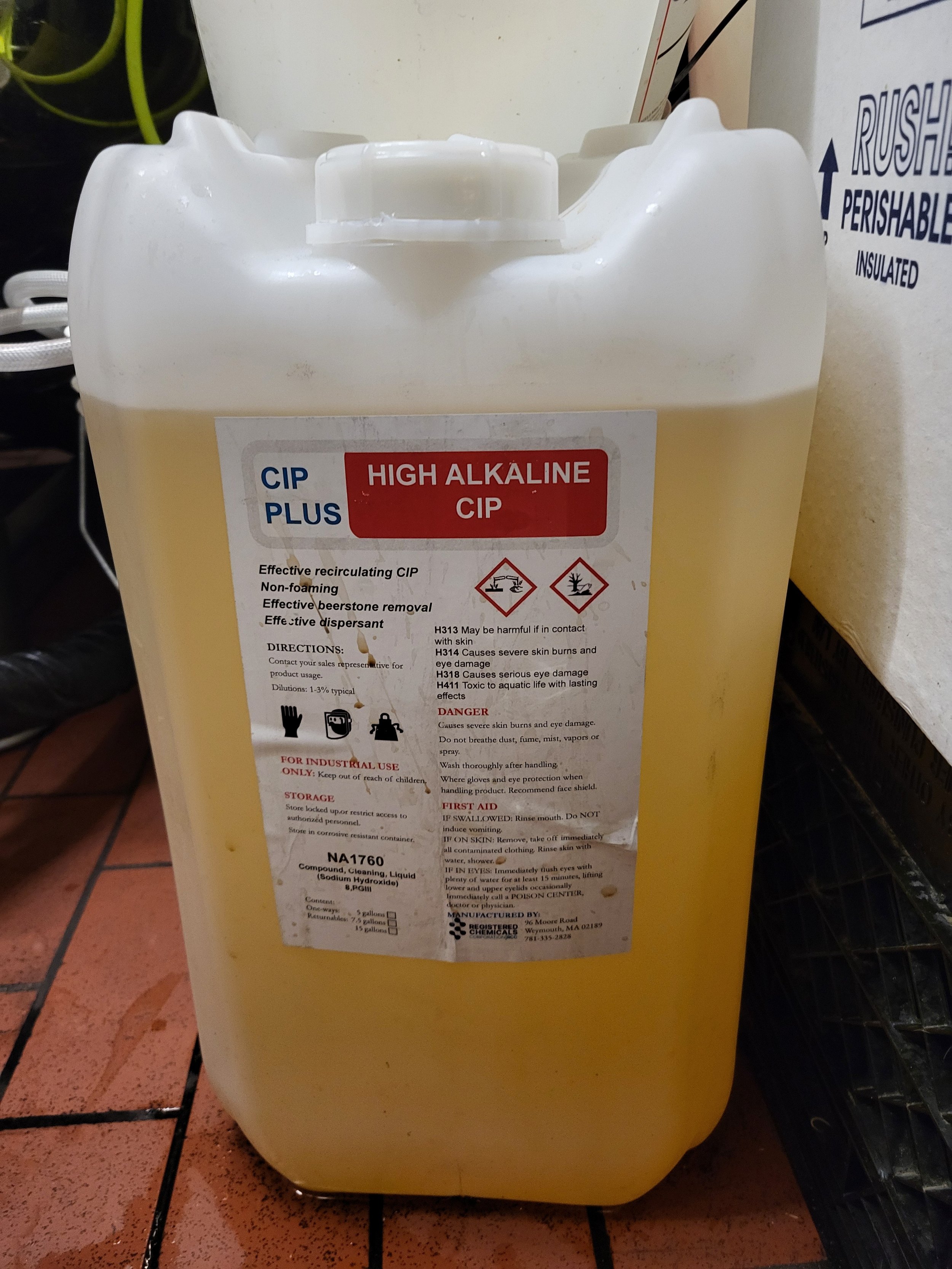
Their staff hand-sorts PakTechs for reuse, and they’ve partnered with ChemStation to replace single-use chemical jugs with reusable containers — they’ve also switched to some greener cleaning agents, thanks in part to their work with the BetterBev certification program.
To cut CO₂ reliance, Remnant uses nitrogen for some beer transfers and reuses tanks and kegs between compatible batches, saving CO₂, chemicals, and water.
Remnant reuses hot water from the brewhouse heat exchanger for brewing liquor. "Most breweries do this," says Head Brewer Charlie Cummings, who notes that with careful tank management, they almost never have to dump any hot liquor down the drain. This saves water and heat energy, and Charlie notes, “we're careful to only heat our hot liquor tank when necessary,” which saves electricity.
Trillium Brewing – Canton, MA & North Stonington, CT
Trillium Brewing is proof that sustainability can scale. At their Canton location, they capture CO₂ during fermentation, cut energy use with advanced controls, and recently installed a 120kW solar array — with plans to expand to 500kW.


On their Connecticut farm, they grow grains using regenerative agriculture practices that enhance soil health and carbon storage. In 2024 alone, they produced 200,000 lbs of grain. They also co-founded the Northeast Grainshed Alliance to support local farms and reduce transport emissions.
Take the First Step
What all these breweries have in common isn’t just their commitment—it’s that they started somewhere. Whether it’s reclaiming PakTechs, cleaning more efficiently, or switching to local ingredients, there are steps every brewery can take.
Need ideas or want to connect with others making changes? Reach out to us at Mass Brewers Guild — we’re here to help share resources, build connections, and support a stronger, more sustainable brewing community.
Your next sustainable move could start today—and it doesn’t have to be perfect to be powerful.
“Sustainability isn’t about perfection—it’s about progress,” says Katie Stinchon, Executive Director of the Mass Brewers Guild. “Every brewery has the power to make meaningful change, no matter their size or budget. If you’ve taken even one step this year, that’s a win. And if you’re not sure where to start, we’re here to help you get going.”
BetterBev: Tools to Help Breweries Take Action
Mass Brewers Guild is proud to be a part of the BetterBev initiative — a certification and resource hub designed to help beverage producers reduce their environmental impact. BetterBev provides actionable, brewery-specific tools for water, energy, waste, and chemical usage — even for small operations.
If you're not sure where to begin, this is the place to start.
Partnering for Progress: Meet the Experts
Sustainability doesn’t have to be a solo mission. These Mass Brewers Guild associate members are doing incredible work helping breweries go green:
Vanguard Renewables – Converts out-of-code beer and food waste into renewable energy. A great option for breweries managing expired product or food waste from kitchens.
ReVision Energy – Helps breweries install solar panels, electric vehicle charging stations, and connect to community solar programs.
East Coast Renewable Energy – Offers similar solar services and energy audits to help breweries transition toward clean power.
Want to feature your sustainability efforts in a future post? Email us at katie@massbrewersguild.org or tag us on social media with #MassBrewGreen.
