Local Farms Supplying Local Brewers
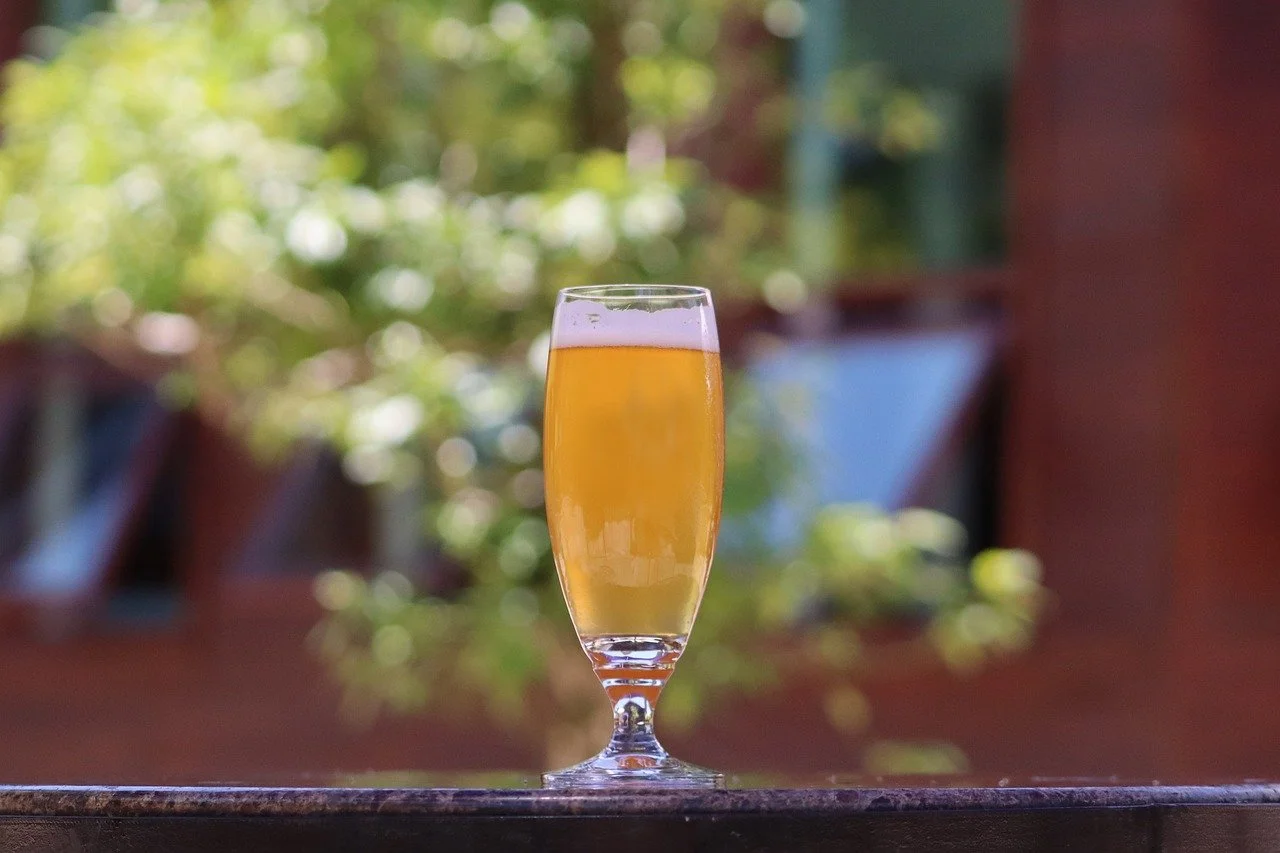
A lot goes into making a great beer…but what about a great Massachusetts beer? We talked with three local ingredient providers who grow, harvest, and process the grains and hops that go into our beers, giving them their character.
We asked them what they're excited about in this season, what makes Massachusetts ingredients unique, and why local sourcing matters. Their answers highlight the innovation, identity, and community that make this region’s beer culture so special.
Andrea Stanley, Co-founder Valley Malt
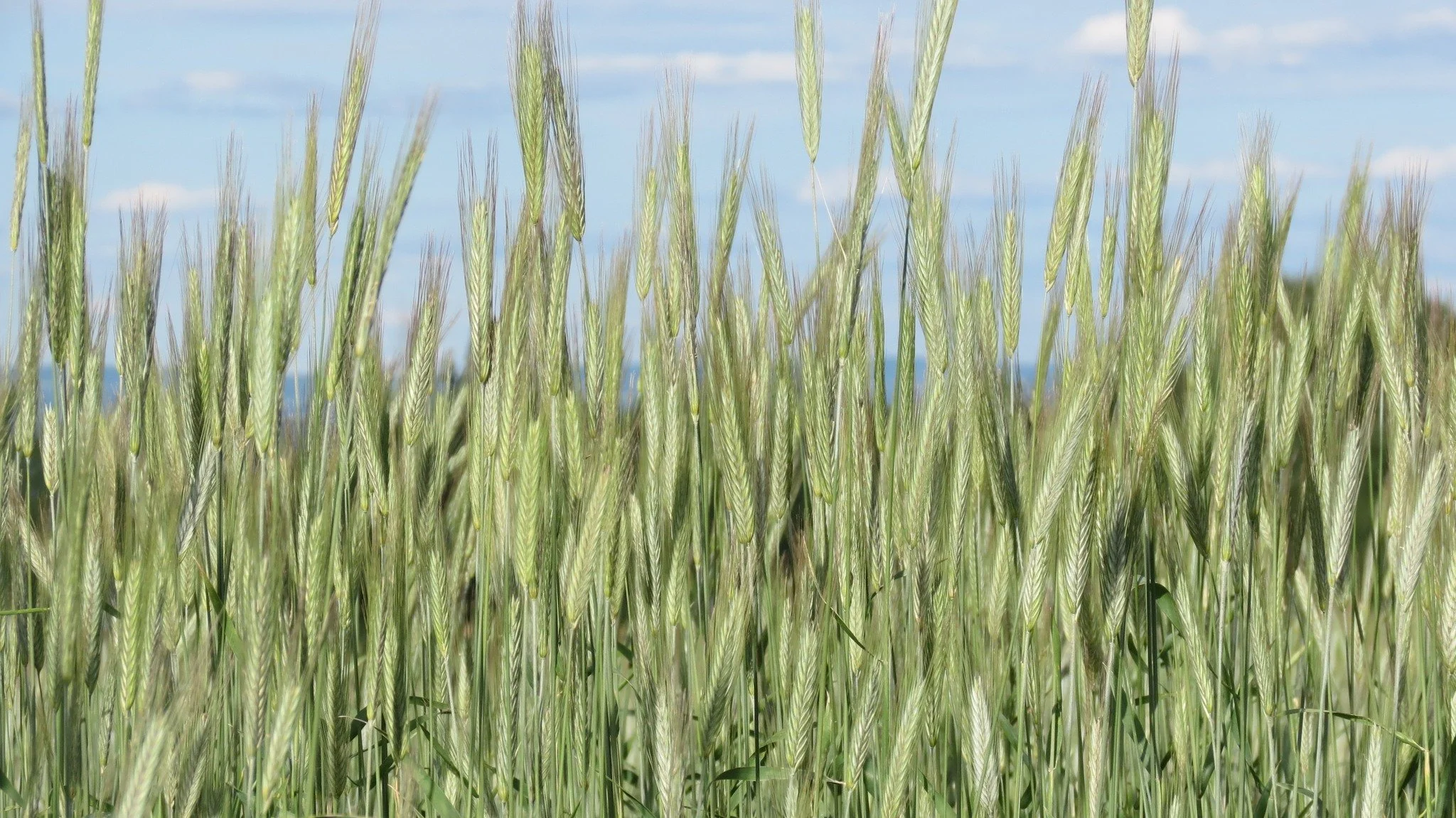
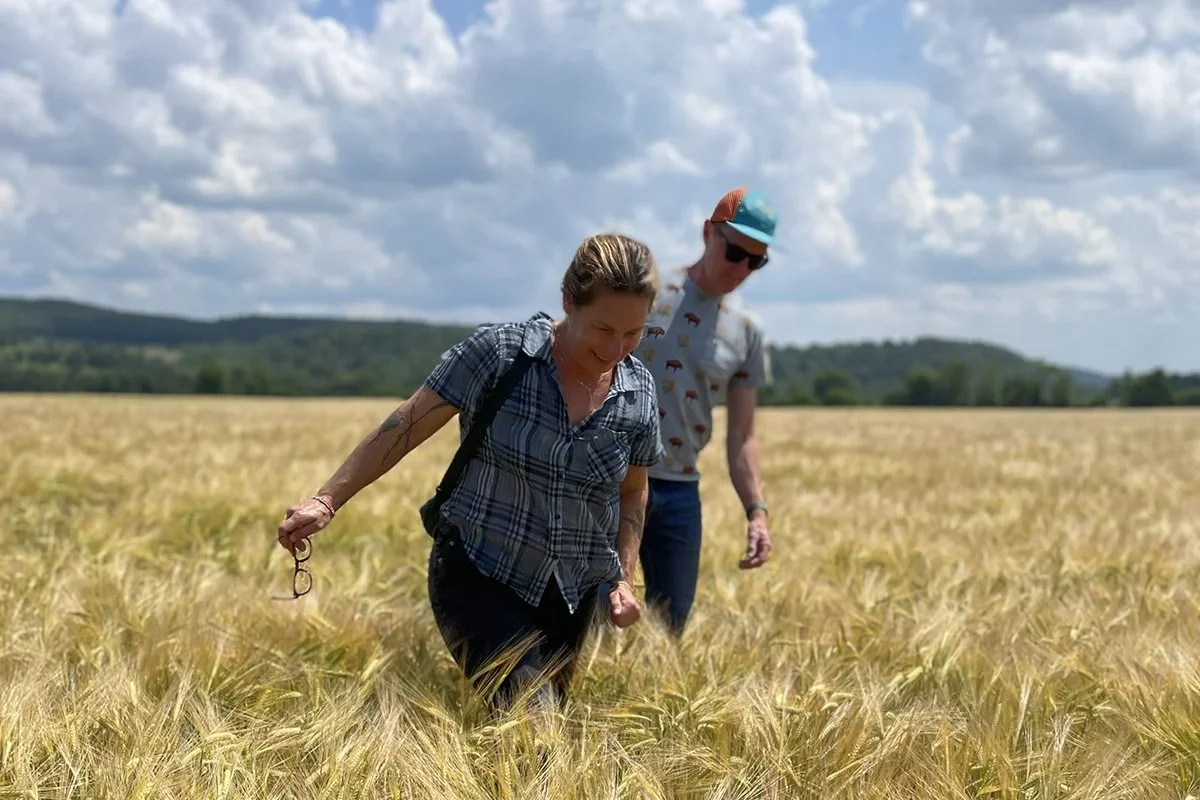

Andrea and her team at Valley Malt are bridging past and future with malts that tell a story. One standout is their Jalowetz Pilsner malt, inspired by a 1929 text from Prof. Eduard Jalowetz, a Moravian lager authority. “This malt is now available year-round but can only be made when we have cool weather,” Andrea explains. Another experiment making waves: a Coastal Pilsner, infused with one ton of fresh Atlantic Sea Farms kelp during germination and kilning, offering a subtle salty, umami twist.
Andrea stresses that Massachusetts’ strength lies in collaboration. “We have such a unique opportunity to have farmer, maltster, and brewer all working together to grow a local supply chain. She also notes, “Local ingredients can be a profound differentiator for brands, because they are fresher and taste better.”
Her reminder to brewers and drinkers alike is clear: supporting local malt supports farms. “Small and medium-sized farms in the Northeast are struggling. Growing winter grains provides both a regenerative practice and an economic lifeline that helps farms survive.”
Follow Valley Malt on Instagram (@valleymalt) to see which beers at their Big E Beer Garden are brewed with their malt.
Mike Schroth, Co-founder Stone Path Malt

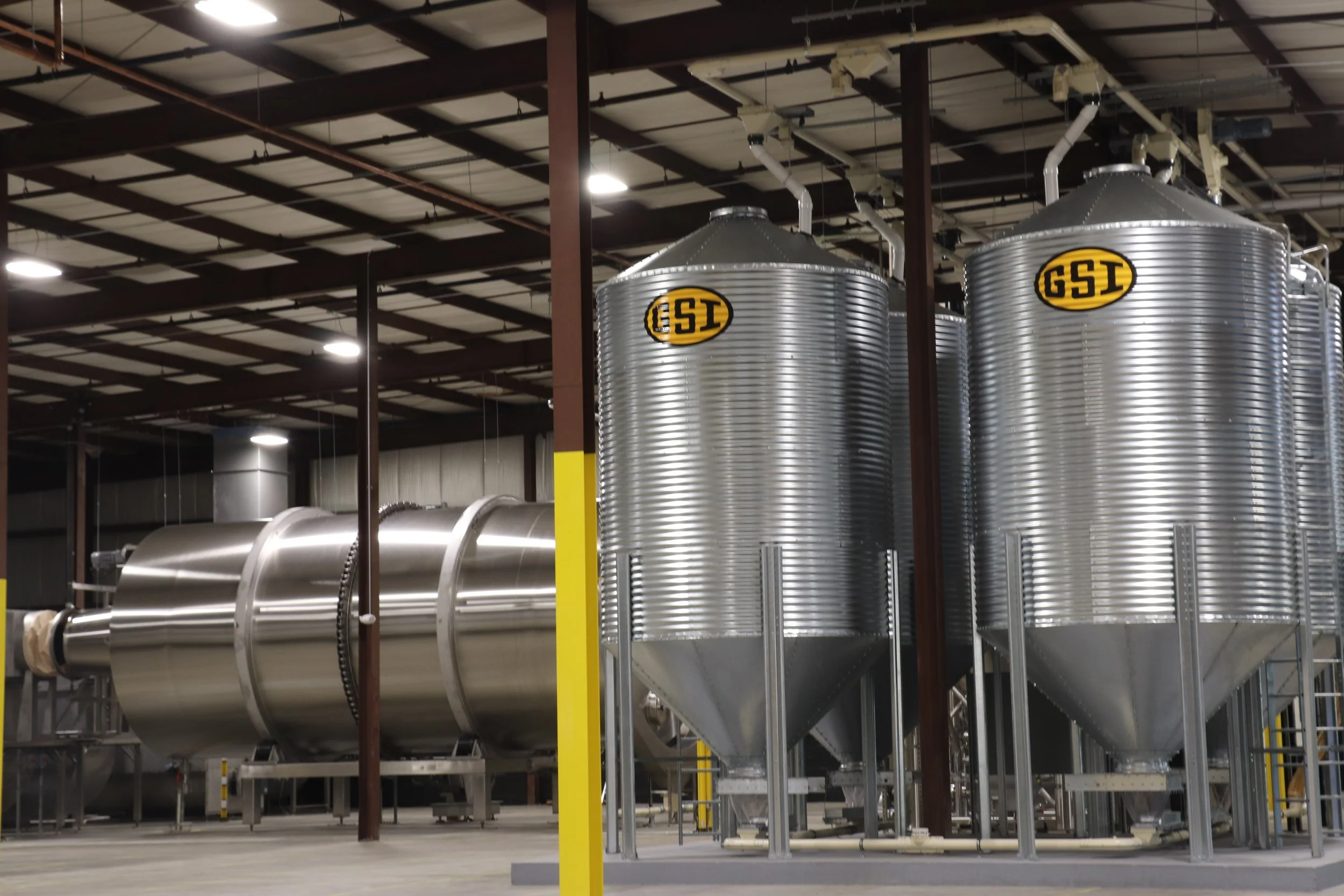
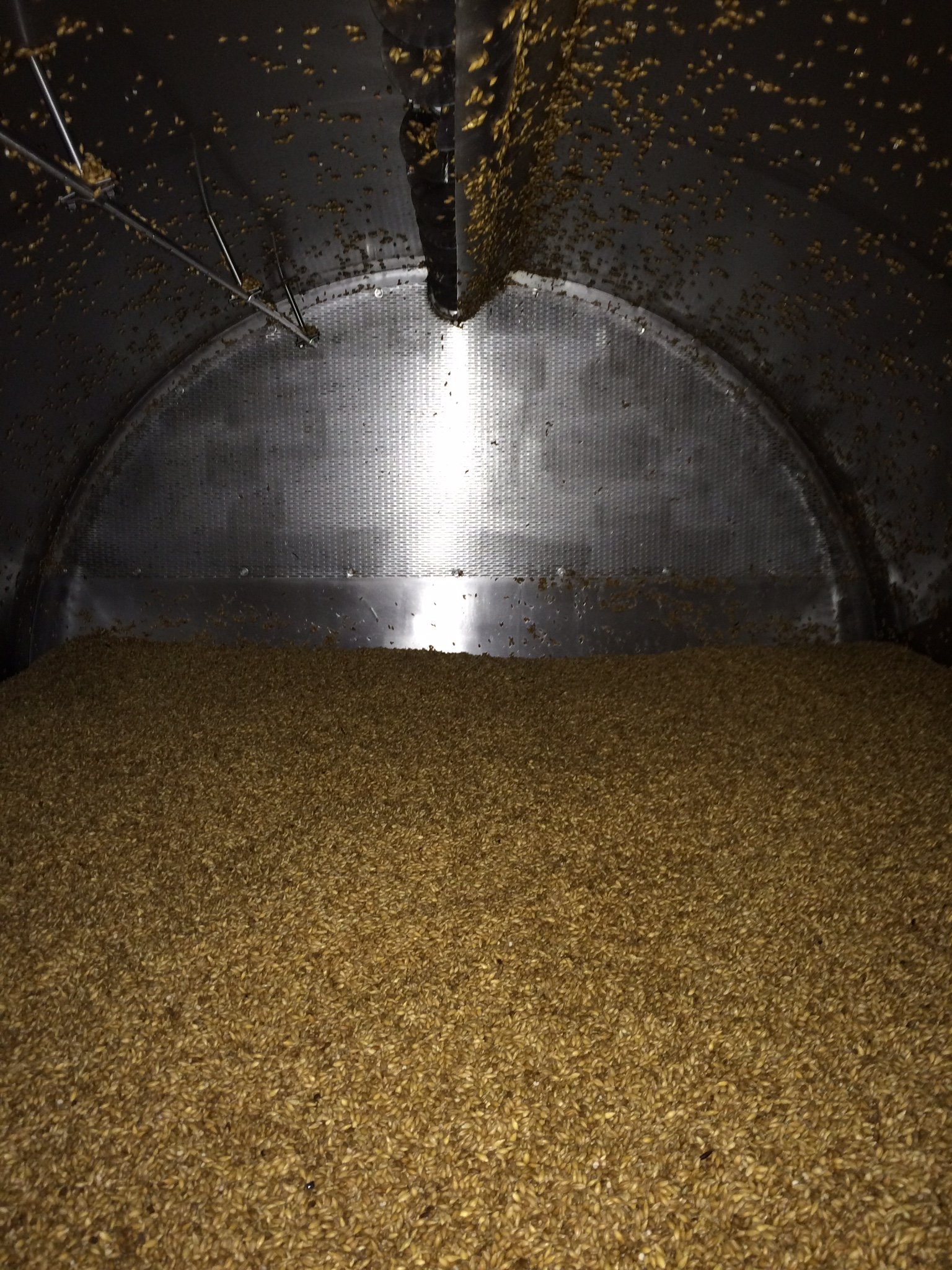
At Stone Path Malt in Wareham, Mike Schroth is most energized by their Nor’East Vienna and Nor’East Munich malts, perfect for autumn seasonals like Oktoberfests and pumpkin beers. Their catalog is broad—from wheat grown in Westport, MA, to barley harvested in Northern Maine—but everything is malted right here in Massachusetts on state-of-the-art equipment sourced from Bamberg, Germany.
Mike emphasizes that local sourcing is more than a marketing gimmick. “For craft malt, like craft beer, it’s about the people, the community, and a commitment to freshness, quality, and continuous improvement.”
Stone Path has been malting for ten years, and their 30,000-sf facility includes a taproom and beer garden showcasing customer brews that proudly bear the mark: Brewed with Stone Path Malt.
Liz L’Etoile, Co-owner Brewery at Four Star Farms

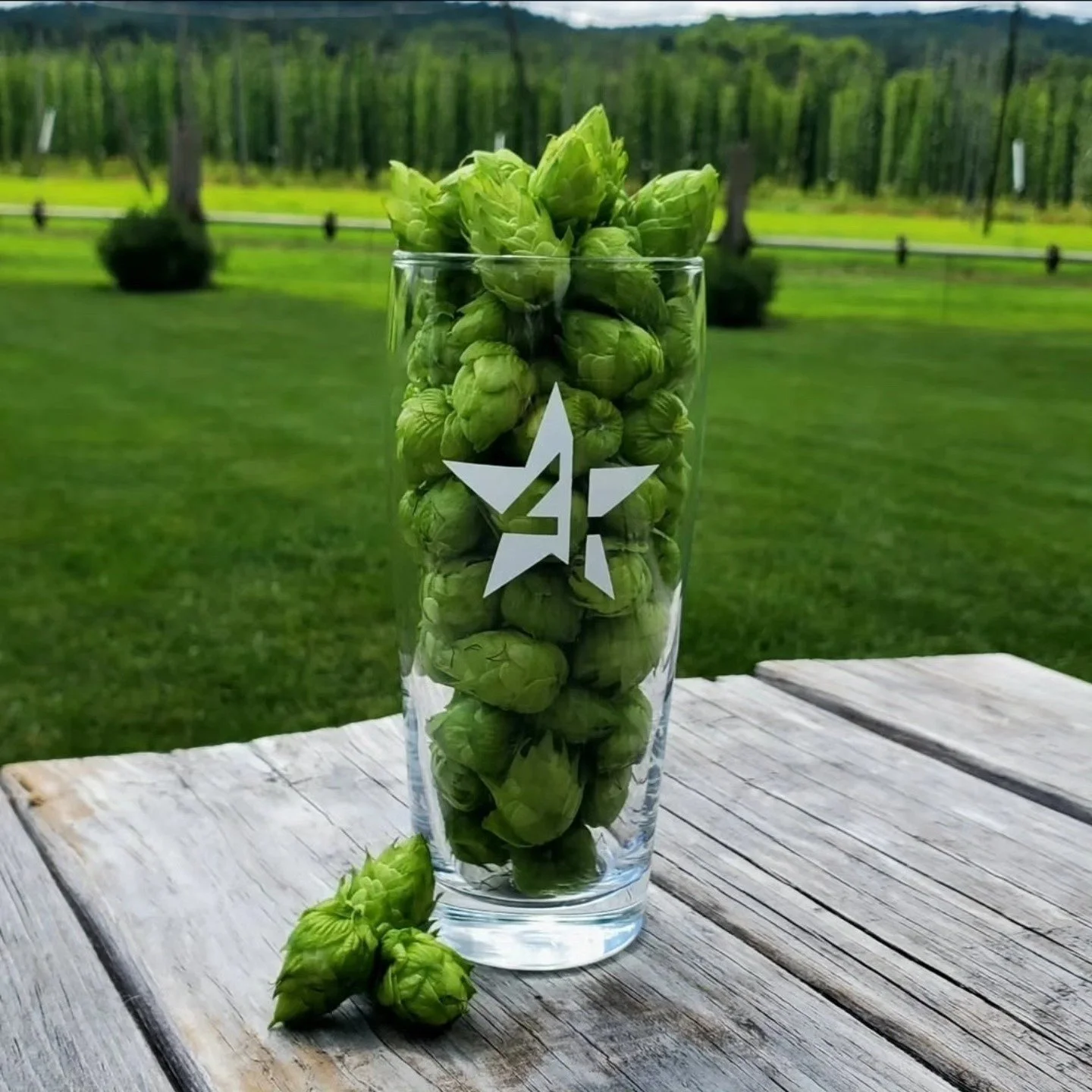
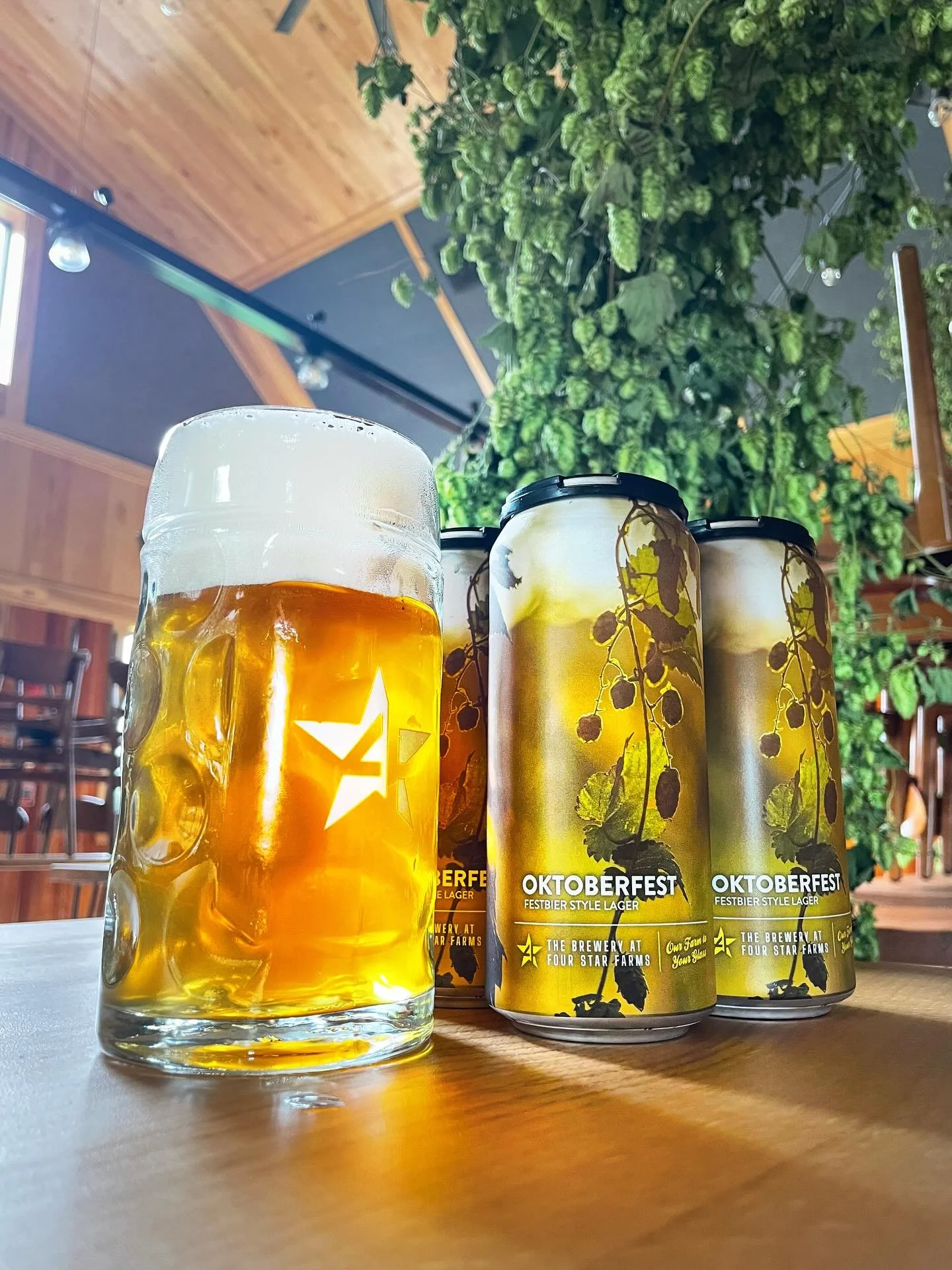
At Four Star Farms in Northfield, Liz L’Etoile is leaning into the experimental. One hop variety—potentially native to Massachusetts—is showing big promise, delivering the kind of juicy fruit notes brewers usually associate with Citra or Mosaic.
For Liz, it comes down to terroir, or, a taste of place. “Rainfall, sunshine, soil type, and the farmer’s care—all of it shapes flavor. Massachusetts hops have their own character, and that gives brewers a chance to make something distinctive, year after year.”
When asked if she had a favorite beer made with Four Star Farms hops, Liz couldn’t choose just one. Instead, she gave shoutouts to breweries where you can always find a beer on tap brewed with their local hops:
The Brewery at Four Star Farms
Her message to members: local sourcing is about more than convenience. “It fosters long-term, mutually beneficial relationships between farmers and brewers. It creates a compelling story—one today’s consumers want to connect with.”
Why It Matters
From grain fields to hop yards, Massachusetts farmers and maltsters are helping brewers create beers that are rooted in this place. They’re innovating with kelp malts, experimenting with native hop varieties, and investing in world-class malting facilities—all while keeping the local supply chain alive and thriving.
Next time you raise a pint brewed with Massachusetts ingredients, you’re not just tasting great beer, you’re supporting the farms, fields, and people who make it possible.
Contact us at the Mass Brewers Guild to learn how to get connected with local farmers.
