OSHA Safety Requirements for Breweries in Massachusetts
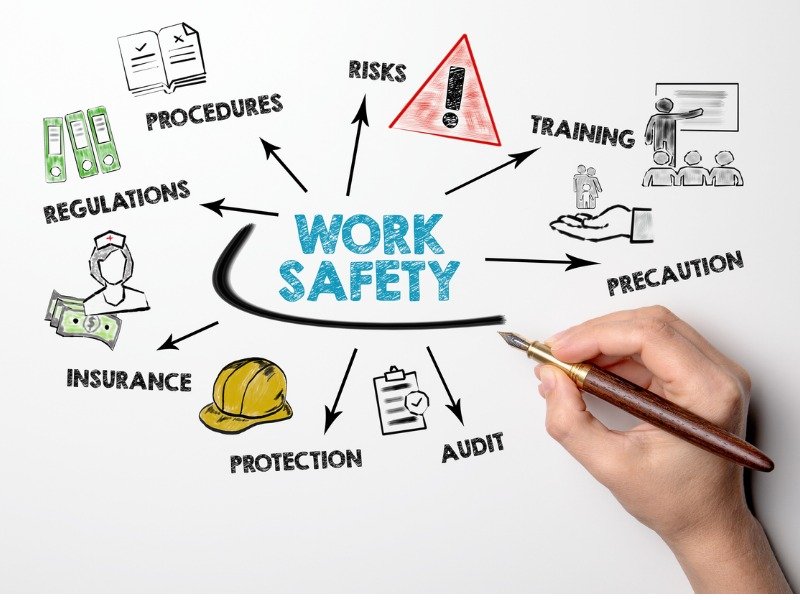
The craft brewing industry continues to grow across Massachusetts, bringing unique products, local jobs, and vibrant community gathering spaces. While brewing can be a rewarding business, it also presents a variety of workplace hazards that brewery owners must manage to protect employees and comply with Occupational Safety and Health Administration (OSHA) requirements.
Even small breweries are subject to OSHA regulations. Understanding the most common safety requirements can help prevent injuries, reduce downtime, and create a safer workplace.
Hazard Communication
Breweries use a variety of chemicals for cleaning, sanitizing, and production. OSHA’s Hazard Communication Standard requires employers to maintain Safety Data Sheets (SDS) for hazardous chemicals, properly label chemical containers, and train employees on chemical hazards and safe handling procedures.
Workers should know where SDS documents are located and understand the risks associated with chemicals they use every day.
Personal Protective Equipment (PPE)
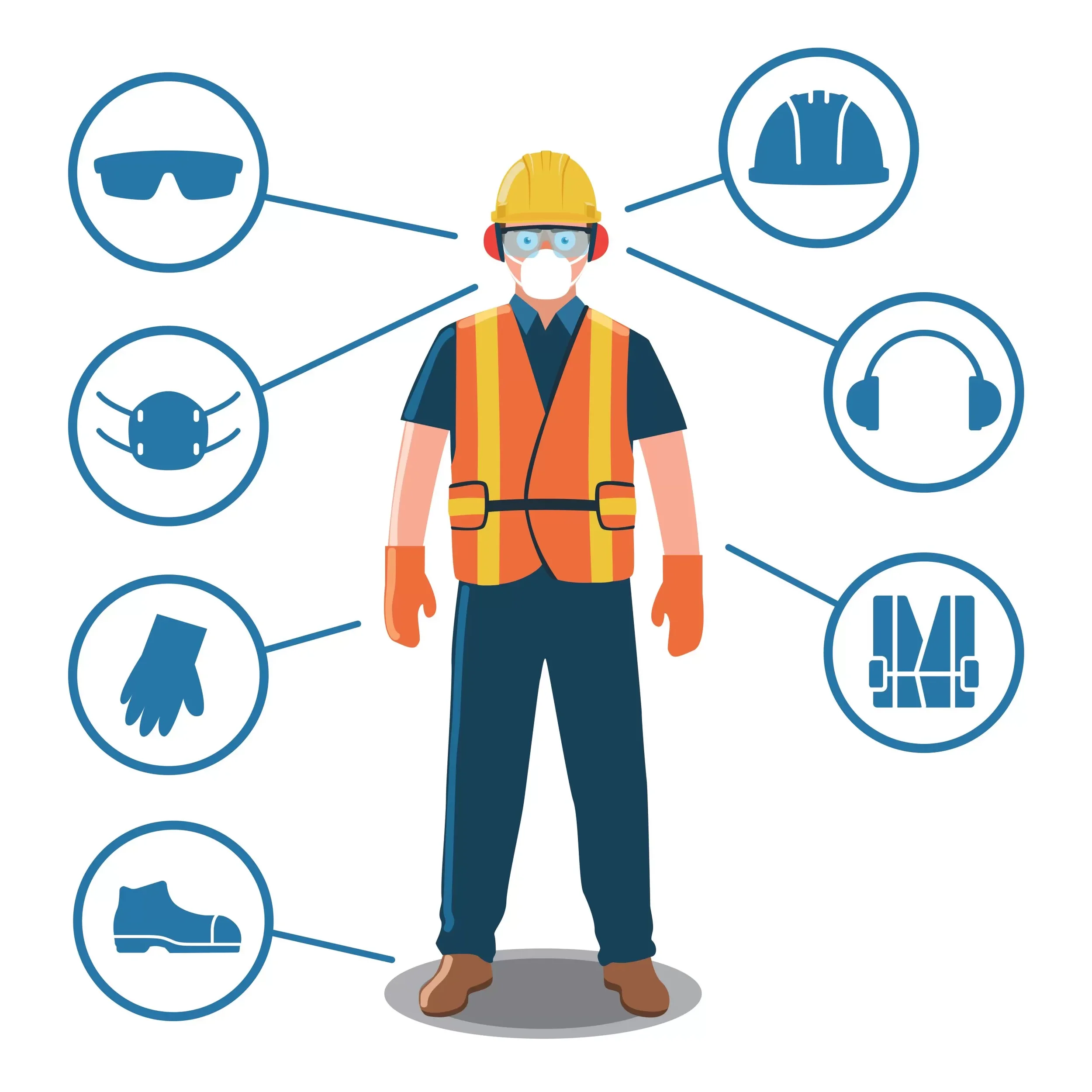
OSHA requires employers to assess workplace hazards and provide appropriate personal protective equipment when needed. In breweries, this may include:
Safety glasses or face shields
Chemical-resistant gloves
Hearing protection
Protective footwear
Respiratory protection when required
Employees must be trained on how to properly use and maintain their PPE.
Slip, Trip, and Fall Prevention
Wet floors are one of the most common hazards in breweries. Water, cleaning solutions, spilled product, and condensation can create dangerous walking surfaces.
OSHA expects employers to maintain clean work areas, promptly address spills, provide adequate drainage, and ensure walking-working surfaces are kept in a safe condition. Non-slip footwear and floor markings can also help reduce risks.
Lockout/Tagout Procedures
Breweries rely on equipment such as pumps, conveyors, bottling lines, and packaging machinery. Before maintenance or repair work is performed, hazardous energy sources must be controlled.
OSHA’s Lockout/Tagout requirements help prevent unexpected equipment startup that could cause serious injuries. Employees involved in servicing equipment should receive appropriate training on energy control procedures.
Confined Space Awareness
Fermentation tanks, bright tanks, and other vessels can present confined space hazards. Some brewery spaces may contain dangerous atmospheres, low oxygen levels, or other hazards.
Breweries should evaluate tanks and vessels to determine whether confined space regulations apply and train employees accordingly.
Forklift and Material Handling Safety
Many breweries use forklifts, pallet jacks, and other material handling equipment to move ingredients, kegs, and packaged products. OSHA requires forklift operators to receive formal training and evaluation before operating powered industrial trucks.
Safe lifting practices should also be emphasized to reduce strains and sprains, which are among the most common workplace injuries.
Electrical and Fire Safety
Breweries contain electrical systems, refrigeration equipment, compressed gases, and combustible materials. OSHA requires electrical equipment to be properly maintained and employees to be protected from electrical hazards.
Fire extinguishers should be accessible, emergency exits clearly marked, and employees trained on emergency procedures.
Employee Training Is Key
One of the most important OSHA requirements is employee training. Workers should may include hazard communication, PPE, emergency response, forklift safety, lockout/tagout, and injury reporting procedures.
Final Thoughts
Safety is not just a regulatory requirement—it is an investment in your employees and your business. Small breweries in Massachusetts can significantly reduce injuries and improve operational efficiency by identifying hazards, providing proper training, and maintaining OSHA-compliant safety programs.
By taking a proactive approach to workplace safety, brewery owners can focus on what they do best: brewing great beer while keeping their employees safe and healthy.

Don Royer
East Shore Safety
Office: 508-525-5711
droyer@eastshoresafety.com
www.eastshoresafety.com